Why Philadelphia Basements Leak and How Waterproofing Can Help

Updated: Jul 14
Basement water problems are a common challenge for homeowners in the Greater Philadelphia area. With the region’s mix of old homes, seasonal rains, and fluctuating groundwater levels, basements often face moisture issues that can lead to mold, structural damage, and costly repairs. Taking steps to waterproof your basement protects your home’s foundation, preserves indoor air quality, and adds value to your property.
This guide of "Why Philadelphia Basements Leak and How Waterproofing Can Help" walks you through practical, effective methods to waterproof your basement and home, tailored to the climate and soil conditions typical of Philadelphia and its surroundings.
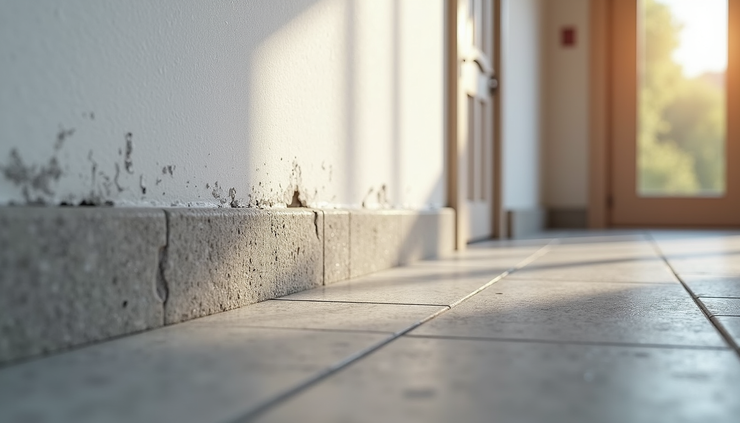
Basement wall treated with waterproofing sealant to prevent moisture intrusion in a Philadelphia home.
Understanding Basement Water Problems in Philadelphia
Philadelphia’s climate includes wet springs and occasional heavy storms, which increase the risk of water seeping into basements. Many homes in the area were built decades ago with foundations that lack modern waterproofing measures. Common sources of basement water issues include:
Hydrostatic pressure: Water in the soil pushes against basement walls and floors, forcing moisture inside.
Poor drainage: Clogged gutters, downspouts, or grading that directs water toward the foundation.
Cracks and gaps: Foundation cracks or openings around pipes allow water entry.
High water table: Some neighborhoods sit on soil with naturally high groundwater levels.
Recognizing these causes helps you choose the right waterproofing solutions.
Signs Your Basement Needs Waterproofing
Before starting any waterproofing project, check for these warning signs:
Damp or musty odors
Visible water stains or discoloration on walls or floors
Mold or mildew growth
Efflorescence (white powdery deposits on walls)
Peeling paint or wallpaper
Standing water after rain
Cracks in foundation walls or floor slabs
If you notice any of these, it’s time to act.
Exterior Waterproofing Methods
The most effective way to keep water out is to stop it before it reaches your foundation. Exterior waterproofing involves work outside your home:
Excavation and drainage installation: Dig around the foundation to expose walls, then apply waterproof membranes or coatings. Install drainage systems like French drains to redirect water away.
Grading and landscaping: Ensure the ground slopes away from your home by at least 6 inches over 10 feet. Avoid planting water-loving plants near the foundation.
Gutter and downspout maintenance: Clean gutters regularly and extend downspouts at least 5 feet from the foundation to prevent pooling.
These steps reduce water pressure on your basement walls and are especially important for homes with persistent water issues.
Interior Waterproofing Techniques
If exterior work is not feasible or as a supplement, interior waterproofing can help manage moisture inside:
Sealants and coatings: Apply waterproof paints or sealants to walls and floors to block moisture.
Interior drainage systems: Install a perimeter drain inside the basement floor that channels water to a sump pump.
Sump pumps: These pumps remove water collected by drainage systems, keeping the basement dry.
Dehumidifiers: Use to control humidity and prevent mold growth in damp basements.
Interior solutions are often more affordable and less disruptive but work best combined with exterior measures.
Repairing Foundation Cracks
Cracks in basement walls or floors allow water to enter and weaken the structure. Repair options include:
Epoxy or polyurethane injections: These seal cracks from the inside and restore structural integrity.
Hydraulic cement: A quick-setting material used to fill active leaks.
Carbon fiber straps: Reinforce walls with significant bowing or movement.
Regular inspection and timely repair prevent small cracks from becoming major problems.
Choosing the Right Waterproofing Contractor in Philadelphia
Waterproofing requires skill and experience, especially in a city with diverse soil and building types. When selecting a contractor:
Look for local companies with positive reviews and references.
Verify licenses and insurance.
Ask about warranties on materials and workmanship.
Request a detailed inspection and written estimate.
Choose contractors familiar with Philadelphia’s specific challenges.
A good contractor will recommend solutions tailored to your home’s needs and budget.
Preventive Maintenance Tips
Once your basement is waterproofed, keep it dry by:
Cleaning gutters and downspouts twice a year.
Checking grading around your home annually.
Inspecting basement walls and floors for new cracks.
Running a dehumidifier during humid months.
Testing sump pumps regularly to ensure they work.
Routine care extends the life of your waterproofing system and protects your home investment.
To request a home inspection with our trusted local contractors, please visit our website:


Comments